Description
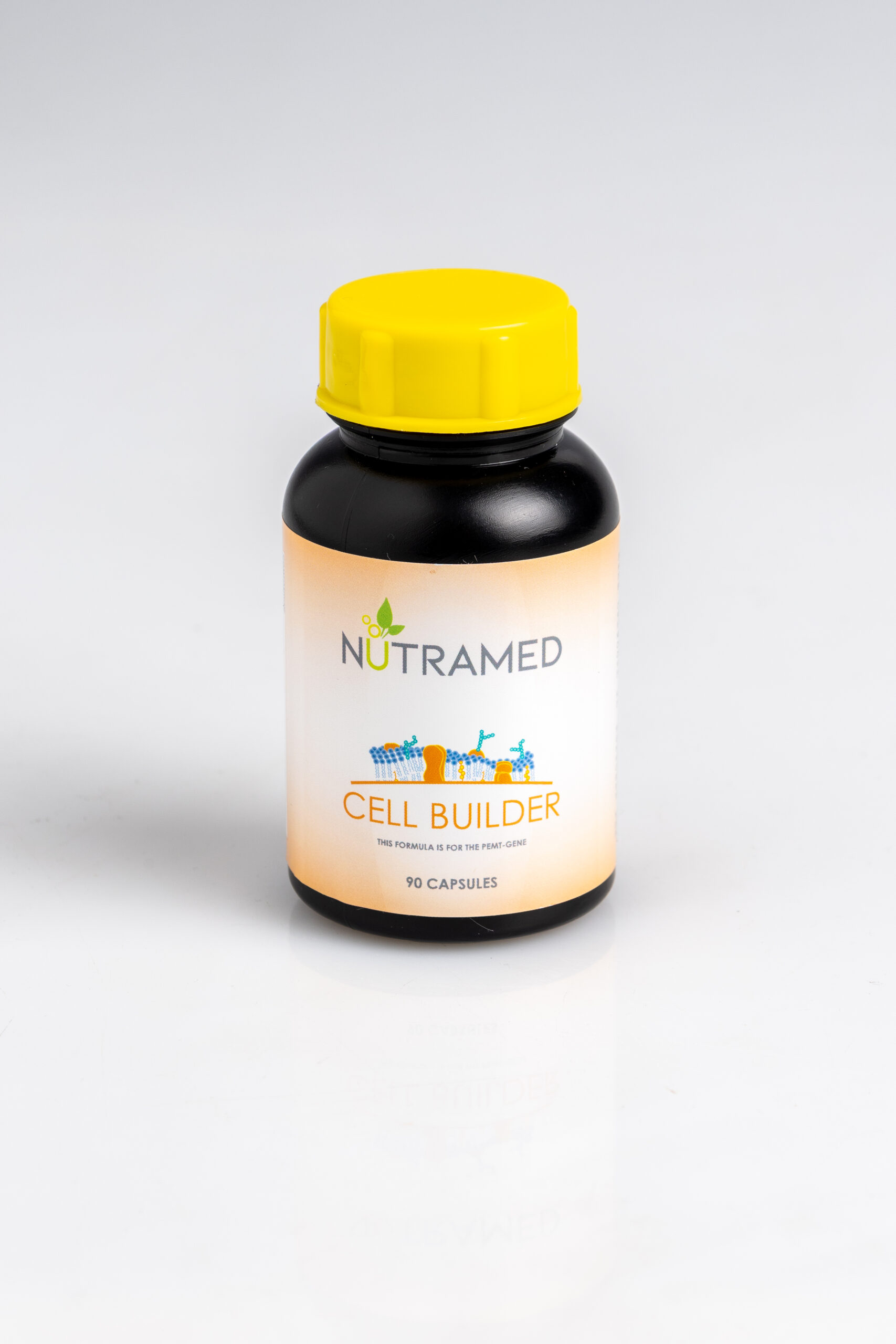
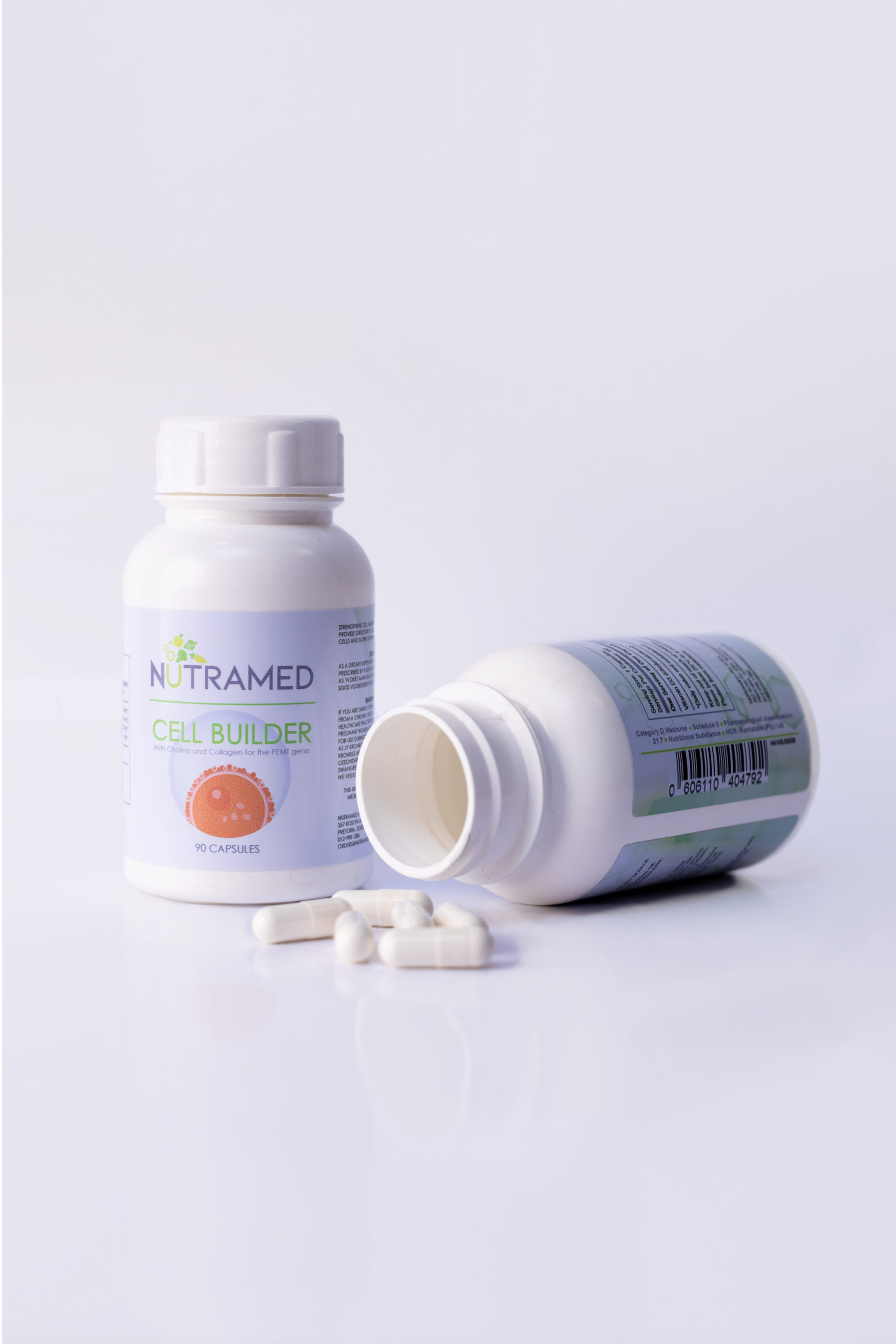
What is Cell Builder?
Each cell in the body is protected by its cell membrane. One of the main components in the cell membrane is Choline. Choline is a nutrient similar to the B vitamins, and can be made in the liver. It is also found in foods such as meats, fish, nuts, beans, vegetables, and eggs.
When you lack choline you can develop “leaky cells” and the cell becomes toxic. These toxins can damage your DNA and subsequently lead to weakened organ function, cancer, and many other chronic diseases. The PEMT gene is involved in the uptake, synthesizing and utilizing of Choline.
The PEMT gene and the shortage of choline is in many cases the cause of chronic injury of soft tissue and tendons in runners. The shortage of Choline is most commonly the cause for a build-up of fat in the liver (hepatic steatosis) also known as “fatty liver”. Choline is also used for memory, mental function, preventing certain birth defects, and many other conditions, but the most important function is the strengthening and build-up of CELL MEMBRANES.
The cell membrane of the mitochondria (little power stations inside each cell of the body) is also made-up of Choline. A “leaky cell membrane” of the Mitochondria can diminish energy production and cause chronic fatigue and chronic disease.
Benefits of Cell Builder:
- Specifically formulated for the PEMT gene
- Active form of Choline to build stronger Cell membranes
- Assist in the recovery of healthy cells after Chemo therapy
- Healing of leaky cells in conditions like Leaky Gut Syndrome
- Assist in the breakdown of fat in Fatty Liver Disease
- Assist in building stronger Mitochondrial membranes
Dosage:
Woman: 2 caps per day
Men: 3 caps per day
Children: 1 cap per day
Pregnancy and breast-feeding:
Choline is LIKELY SAFE when taken by mouth and used appropriately during pregnancy and breast-feeding. Doses up to 3 grams daily for pregnant and breast-feeding women up to 18 years of age, and 3.5 grams daily for women 19 years and older are not likely to cause unwanted side effects.
Fatty Liver Disease
Fatty Liver Disease
As the name implies, fatty liver disease occurs when you have too much fat in your liver. There are two types of the condition: non-alcoholic fatty liver disease (NAFLD) and alcoholic fatty liver disease (AFLD). NAFLD is usually preventable and is linked to obesity, type 2 diabetes and diet. It affects 25 to 30% of people living in the United States and Europe. AFLD, on the other hand, is linked with drinking excessive amounts of alcohol.
The liver is a large reddish-brown digestive organ that sits on the right side of your abdomen. It plays critical roles in digestion and maintaining overall health. Your liver produces bile, which helps break down fat so it can be absorbed in the digestive tract. Biotransformation of toxic substances (from normal metabolism as well as things like medications and alcohol) in the liver prepares them for removal from your body. The liver also produces proteins and makes and recycles a wide variety of essential biochemicals. The liver commonly repairs itself when its cells become damaged.
Early stage fatty liver disease can often be reversed with lifestyle changes. When damage to the liver continues beyond its capacity to repair itself, liver damage and health issues often result. If left untreated, fatty liver disease can progress to cirrhosis, which can lead to liver failure and requiring a liver transplant.
Symptoms of Fatty Liver Disease.
In its early stages, fatty liver disease usually does not have symptoms. As it progresses, symptoms of fatty liver disease can range from no symptoms to:
- Loss of appetite
- Abdominal pain
- Nausea and vomiting
- Jaundice (a yellow tone to your skin)
- Weight gain in the abdominal area.
A pregnant woman experiencing any of these symptoms must be evaluated and managed immediately. Most women recover completely post-delivery.
Risk factors for developing fatty liver disease include:
- Excessive use of alcohol (for AFLD)
- Higher body weight or obesity
- Diabetes or pre-diabetes (NAFLD)
- Diet high in sugar and processed foods
- Hyperlipidaemia, especially with high triglycerides (a blood lipid)
- Low physical activity
- Digestive issues
- Genetic predisposition
Treatment of Fatty Liver Disease.
Fatty liver can also develop with rapid weight loss or as a side effect of certain medications. Many of the risks of NAFLD can be addressed with changes to lifestyle choices.
This product is completely safe for pregnant and lactating woman and has no side effects.
Please contact my practice so that I can assist you with the right diet and supplement to assist with your Fatty liver disease.
Diagnosis :
DNA testing
Sonar of the liver
Blood tests
For consultation contact 012-9981286